

Intro: Why Your Nervous System Is The New Bottleneck
In 2026, one of the biggest global wellness shifts is surprisingly simple: the real bottleneck in our health is not willpower, it is an overloaded nervous system. The Global Wellness community is calling this “neurowellness” – the move from obsessing over steps, macros and biohacks to asking a deeper question: is my nervous system even regulated enough for any of this to work?
India is right at the centre of this storm. Recent surveys suggest that around 59–83 percent of Indian employees report symptoms of burnout or feeling burnt out, among the highest in the world. Long work hours, late‑night screens, commute stress, family responsibilities and constant digital noise keep many of us in a low‑grade “fight‑or‑flight” state even when we are supposedly “resting.”
As a doctor, I see this every week. People come in with headaches, palpitations, “random” body pains, poor sleep, irritability, brain fog and lab reports that are mostly normal. Often, they have already tried pills, supplements, even expensive wellness gadgets. What is usually missing is something more basic: their nervous system has forgotten how to downshift into “rest‑and‑digest.”
This article is my attempt to give you doctor-tested, science-backed 10‑minute tools to reset your nervous system — not as a replacement for therapy or medication when needed, but as a practical foundation. Pills often treat symptoms. Learning to regulate your nervous system addresses the root.
Section 1: The Science Of Neurowellness (In Real‑People Language)
Your autonomic nervous system has two main modes:
Sympathetic: the “fight‑or‑flight” system that speeds up heart rate, sharpens focus and prepares you to run or fight.
Parasympathetic: the “rest‑and‑digest” system that slows the heart, supports digestion, immunity, repair and deeper sleep.
In modern life, we rarely face tigers. Instead, endless notifications, performance pressure, financial worries and uncertainty keep the sympathetic system slightly “on” all the time. We may not feel acutely panicked, but we are simmering: shallow breathing, tight muscles, scrolling late into the night, never fully relaxed. Over months and years, this low‑grade activation contributes to poor sleep, inflammation, hormonal disruption, anxiety, depression and burnout.
Enter the vagus nerve and HRV
The vagus nerve is the main communication highway of your parasympathetic system, running from your brainstem through your face, neck, chest and abdomen. When vagal activity is high (often called “high vagal tone”), your body can more easily move out of fight‑or‑flight and into calm.
One of the best non‑invasive ways to measure this is heart rate variability (HRV) – the tiny variation in time between successive heartbeats. Higher HRV generally reflects better vagal tone and greater flexibility under stress; lower HRV is linked with chronic stress, mental health problems and poorer resilience. Many wearables now show HRV alongside sleep scores, making nervous system overload visible in everyday life.
Why chronic fight‑or‑flight blocks other wellness efforts
If your sympathetic system is constantly “on,” your body quietly deprioritizes digestion, immunity, fertility, long‑term repair and deep sleep. This is why you can eat well, join the gym, buy supplements, yet still feel wired‑and‑tired: the underlying software (your nervous system) is dysregulated.
The hopeful news from recent neurowellness research is that simple, brief practices — focused breathing, somatic movement, cold exposure, vagus nerve stimulation and real social connection — can increase vagal activity, improve HRV and reduce perceived stress in just a few minutes a day. The key is consistency, not perfection.
Section 2: 5–7 Doctor‑Tested 10‑Minute Nervous System Resets
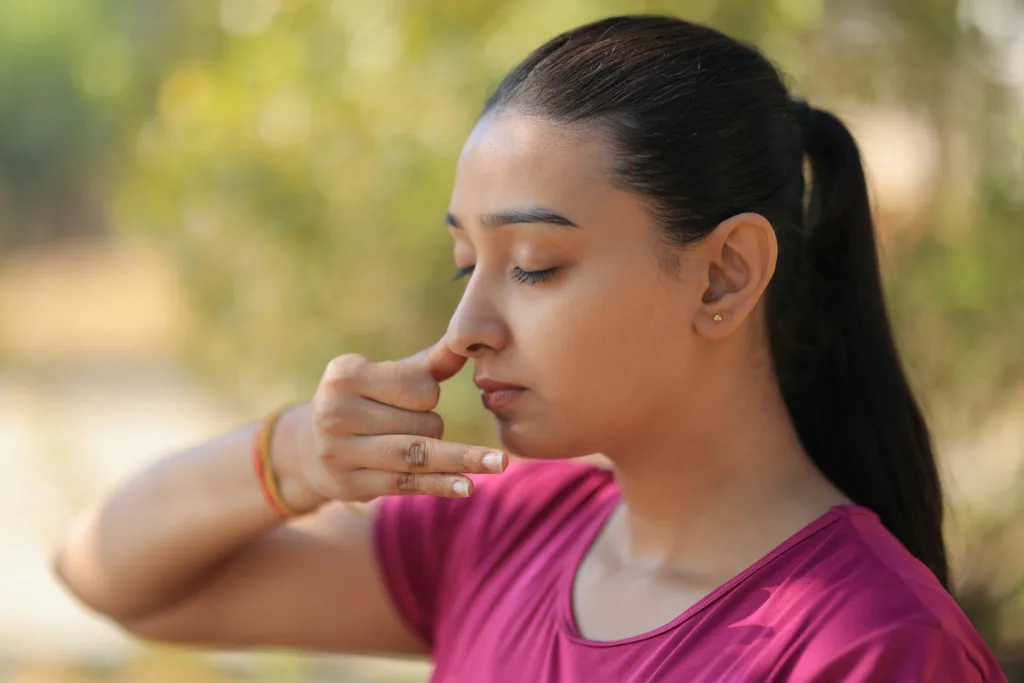
You do not need an ice bath, retreat or expensive gadget to start regulating your nervous system. Below are practices I actually recommend to patients and colleagues, edited into simple 10‑minute “resets.” Use them as a menu, not a rigid protocol.
1. Physiological Sigh – The Fastest 60‑Second Reset
A physiological sigh is a specific pattern: two inhales through the nose, followed by a long, slow exhale through the mouth.
Inhale deeply through your nose.
Without exhaling, take a second shorter “top‑up” inhale.
Then exhale slowly through pursed lips, as if fogging a mirror, until your lungs feel empty.
Do 5–10 of these cycles; it takes about 1–2 minutes.
Why it works: this pattern reinflates tiny air sacs in the lungs and emphasizes a long exhale, which strongly activates the vagus nerve and rapidly lowers physiological arousal. A Stanford‑led clinical trial found that 5 minutes a day of cyclic physiological sighing reduced stress, lowered resting heart rate, improved mood and sleep more than mindfulness alone. Many people feel a noticeable shift in tension and mental noise within the first few breaths.
How to use it:
Before entering a difficult meeting.
After a stressful phone call.
In bed when your mind is racing.
2. Somatic Shaking / TRE‑Inspired Release (5–10 Minutes)
Animals naturally shake after a threat – it is how they discharge survival energy. Humans suppress this, so the “charge” stays stuck as muscle tension, hypervigilance and anxiety.
A gentle, self‑guided version:
Stand with feet hip‑width apart, knees soft.
Start bouncing lightly in place, letting your shoulders, arms and jaw loosen.
Gradually allow your body to shake or tremor in whatever small way feels safe (you are not acting, you are allowing).
Continue for 3–5 minutes, then slow down, feel your feet on the ground, and take a few deep breaths.
Therapeutic shaking approaches like TRE (Tension & Trauma Releasing Exercises) aim to activate the body’s natural tremor reflex to release stored tension and support long‑term stress relief. Early evidence and clinical observation suggest that somatic shaking can lower stress hormones, reduce muscle tension and help the nervous system shift out of chronic fight‑or‑flight.
How long till you feel it? Many people report a sense of warmth, tingling, “energy moving,” or emotional release (tears, laughter, sighs) within one session; sleep and baseline anxiety often change over days to weeks of practice.
Important: If you have a history of severe trauma, dissociation or psychosis, consider doing TRE only with a trained professional.
3. Cold Face Plunge – Triggering the Diving Reflex (2–3 Minutes)
Cold water on the face activates the diving reflex: sensors in the trigeminal nerve (face) send signals that increase vagal activity and slow the heart, shifting the body toward parasympathetic dominance.
Quick protocol:
Fill a bowl with cold water. If tolerated, add a few ice cubes.
Take a normal breath, then immerse your face (forehead, eyes, cheeks) for 10–15 seconds.
Come up, breathe normally for 30–60 seconds.
Repeat 2–3 times.
Studies show that cold facial immersion can significantly reduce heart rate and increase high‑frequency HRV, both markers of cardiac vagal activation. Many people experience a “forced pause” in anxious thought and a calmer body within a couple of minutes.
Best moments:
After a panic surge.
Between back‑to‑back calls.
As a mid‑afternoon reset instead of another coffee.
Avoid or modify if you have uncontrolled hypertension, serious heart disease or a history of fainting with cold exposure; talk to your doctor first in those cases.
4. Simple Vagus Nerve Stimulation – Humming, Gargling, “Lion’s Yawn”
The vagus nerve passes through structures in the throat, chest and diaphragm, so certain sounds and movements can mechanically stimulate it.
You can try:
Humming exhale: Inhale gently, then exhale while humming (like “mmm”) for as long as comfortable. Notice the vibration in your chest, throat and face.
Vigorous gargling: After brushing your teeth, gargle with water for 30–60 seconds, letting the throat muscles work.
“Lion’s yawn”: Open your mouth wide, stretch your tongue out, and exhale with an audible sigh.
These practices create vibratory and muscular stimulation around areas rich in vagal branches and can support vagal activation and relaxation. While high‑quality trials are still emerging, they are low‑risk and fit nicely into existing routines.
How long till results? Most people notice subtle relaxation or a quieter mind within 3–5 minutes; consistent daily practice seems to have cumulative effects, especially when combined with other neurowellness tools.
5. Mindful Movement + Grounding (10 Minutes, No Mat Needed)
When you are stressed, your attention often lives in your head: replaying conversations, predicting disasters. Gentle, mindful movement brings awareness back into the body and environment, signalling safety to the nervous system.
Try this 10‑minute sequence:
Slow neck and shoulder rolls (2 minutes) — move only within a pain‑free range.
Cat‑cow at the wall or table (3 minutes) — gently arch and round your spine with the breath.
Barefoot grounding (3–5 minutes) — stand or sit with feet flat, notice the contact with the floor, scan sensations from toes up to hips.
Research on somatic and mindful movement shows benefits for autonomic regulation, emotional regulation and recovery from chronic stress. Even simple slow breathing combined with movement can modulate the autonomic nervous system and reduce perceived stress.
How long till results? Usually within the same session: a sense of “coming back” into the body, softer breathing and reduced muscle tension. Over weeks, people often report better sleep and increased tolerance to daily stressors.
6. One Social Connection Micro‑Habit (2–5 Minutes)
This one surprises many people: real, face‑to‑face (or voice‑to‑voice) connection is biological vagus nerve medicine. Social engagement that feels safe is associated with higher HRV and better stress buffering, partly via oxytocin’s effects on vagal tone.
Micro‑habit ideas:
Send one honest check‑in voice note to a friend or family member daily.
Share a 3‑minute “how was your day really?” moment with a partner, phone away.
Offer a genuine compliment to a colleague or stranger.
Studies show that supportive social contact can increase HRV and soften stress responses, whereas isolation is linked to lower HRV and negative emotional states. From a neurowellness perspective, this is not just “nice to have” – it is a part of your nervous system care.
How long till results? Sometimes immediately: a warm sense of connection, relaxed shoulders, easier breathing. The deeper effect is cumulative: over weeks and months, higher perceived social support is associated with better vagal regulation under stress.
Section 3: My 7‑Day Neurowellness Challenge (Doctor Version)
If you want structure, here is a simple 7‑day challenge I share in clinic. The goal is not perfection; it is to give your nervous system daily proof that it can come out of survival mode.
Pro tip: If you have a smartwatch or ring that tracks HRV, great. If not, just track energy, mood and sleep in a small journal. HRV is a useful biomarker of vagal tone and stress regulation, but subjective data matters too.
Day 1 – Learn Your Baseline
Morning: write down how you slept (hours + quality), your energy (1–10) and mood (1–10).
Evening: repeat the same quick check.
If you have HRV tracking, note your overnight HRV and resting heart rate.
Day 2 – Breath Reset
Do physiological sighs for 2–5 minutes, twice (once mid‑day, once before bed).
Note: How easy was sleep? Any change in anxiety or irritability?
Day 3 – Move + Ground
10 minutes of mindful movement + grounding as described above.
Notice: what changed in your muscle tension and mental chatter afterwards?
Day 4 – Somatic Release
5–10 minutes of gentle shaking or TRE‑inspired movement, making sure you feel safe and can stop anytime.
Note: any feelings, sighs, yawns or emotional shifts after?
Day 5 – Cold Reset (If Medically Safe)
2–3 rounds of cold face immersion (10–15 seconds each) during a stressful period of the day.
Track: does your heart rate or “inner speed” feel different afterwards?
Day 6 – Social Micro‑Dose
Deliberately create one meaningful 3–5 minute connection, even by phone.
Journaling prompt: “How did my body feel during and after that interaction?”
Day 7 – Stack Your Favorites
Combine your two favorite tools into a 10‑minute personal protocol (e.g., 3 minutes physiological sigh + 7 minutes grounding walk).
Reflect: Which practices felt natural? Which improved your sleep, HRV, or “stress threshold” the most?
On my website, this 7‑day challenge is available as a free downloadable checklist that you can print, stick on your wall, and use as a simple tracking tool.
Encouraging patients to track even basic metrics — sleep quality, energy, mood and, where available, HRV — makes nervous system regulation visible and motivating.
Section 4: Warnings – When To See A Doctor Instead

These tools are powerful, but they are not a replacement for professional care.
Please seek medical or mental health support rather than relying only on DIY neurowellness if:
You have severe depression, suicidal thoughts, self‑harm, or thoughts of harming others.
You have frequent panic attacks, severe PTSD, psychosis or dissociation.
You have serious heart or lung disease, uncontrolled hypertension, or a history of fainting — especially before trying cold exposure or strong breathwork.
Your symptoms (chest pain, breathlessness, major weight change, fever, persistent pain) might indicate a physical illness needing tests.
Breathwork, somatic practices and social connection are excellent adjuncts to therapy and medication, not substitutes in severe cases. In clinic, I often combine them with standard treatment to improve resilience and quality of life, not to avoid necessary care.
Conclusion + Gentle Call To Action
In 2026, neurowellness is not a trend for biohackers; it is the quiet foundation under everything else we try to do for our health. If your nervous system is locked in chronic fight‑or‑flight, even the best diet, gym plan or supplement stack will feel like pushing a car with the handbrake on.
My invitation as a doctor is simple: give your nervous system just 10 minutes a day of deliberate care. Pick one or two of the resets above, try the 7‑day challenge, and notice how your sleep, mood, HRV and relationships shift over the next few weeks.
On my end, I will keep refining these “doctor protocols” as new research comes in. On your end, you can download the free neurowellness checklist, stick it on your fridge, and follow along. If this article helped, share it with someone who is quietly burning out, and consider subscribing for more practical, doctor‑tested ways to support your nervous system in real life.